
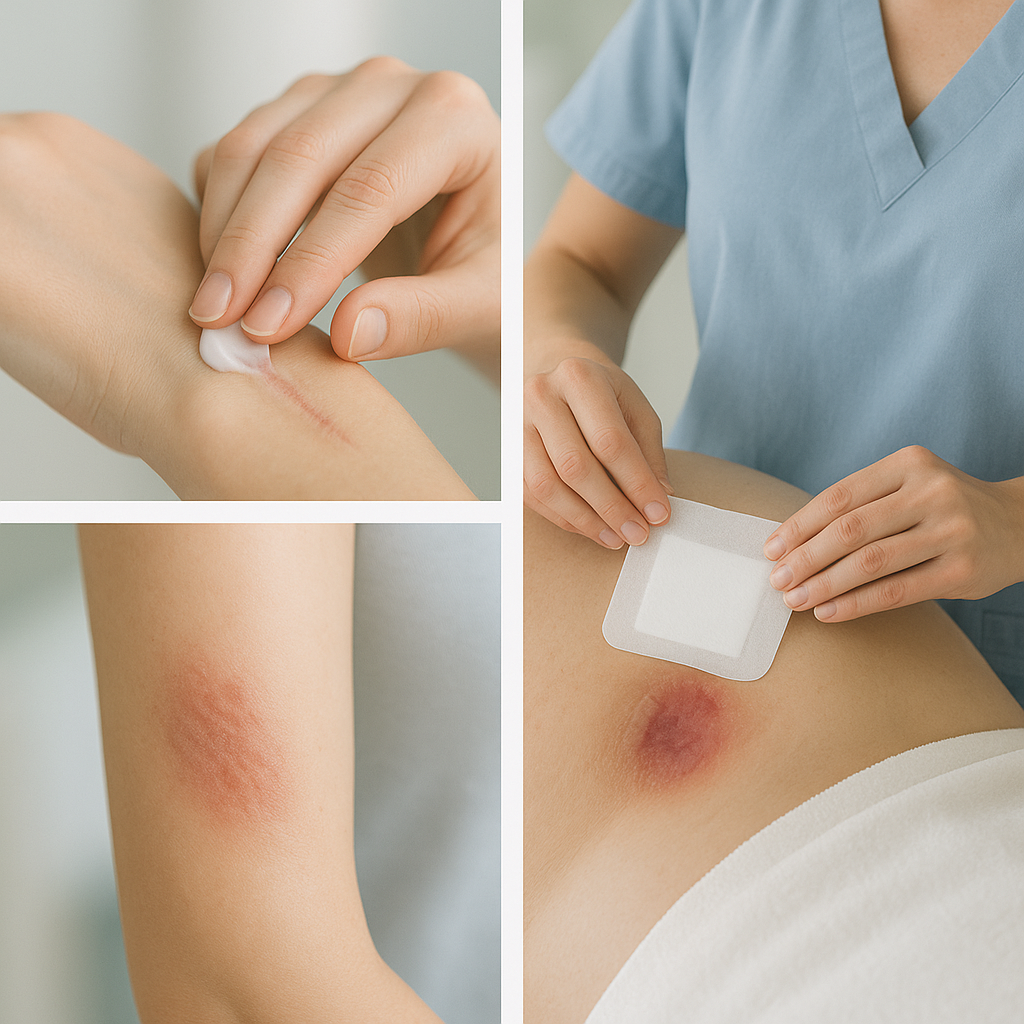
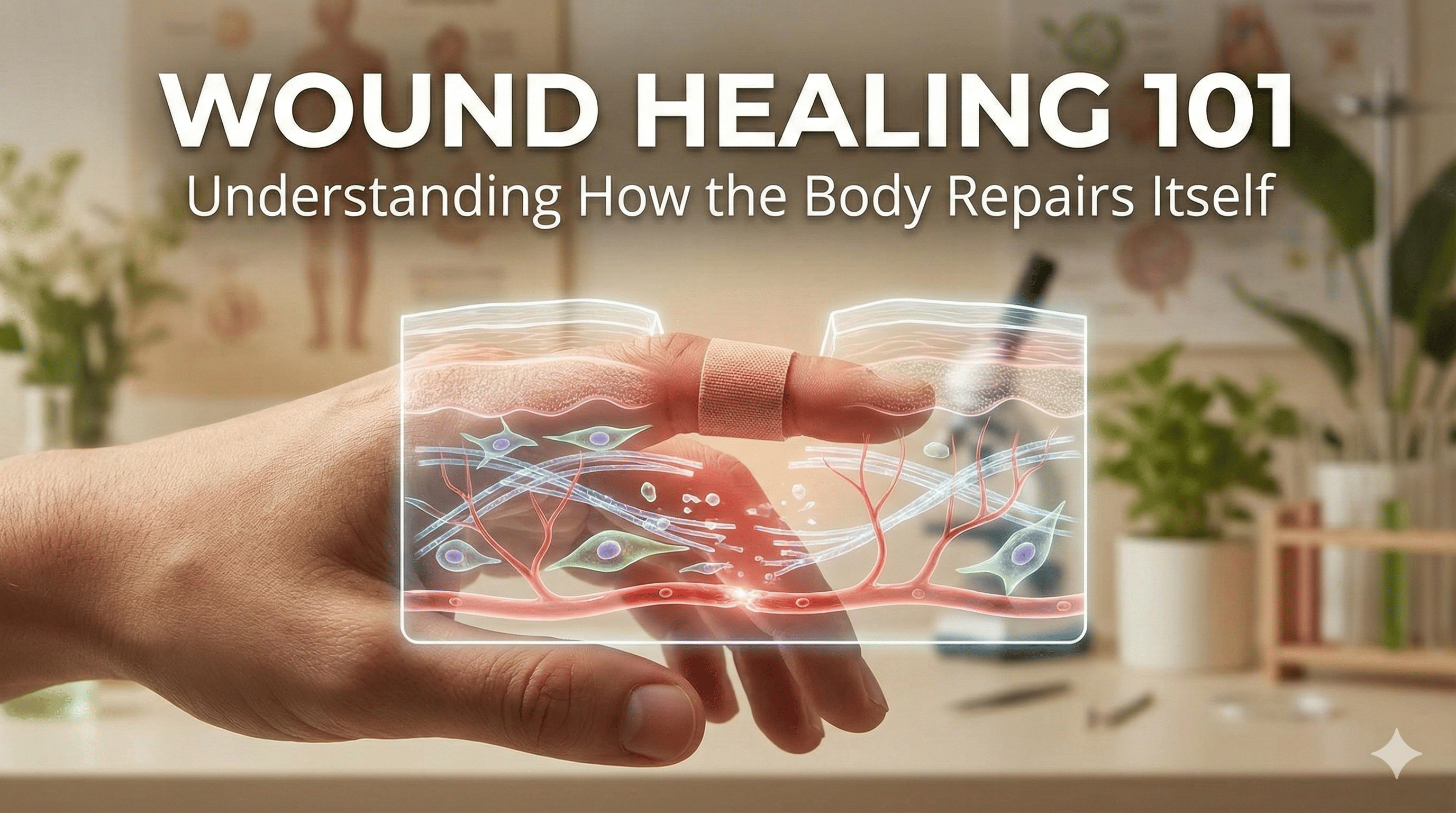
Whether it’s a paper cut, a scraped knee, or a surgical incision, our body has an incredible, built-in system that kicks into gear to repair itself. It’s almost like a silent, efficient construction crew shows up the moment we’re injured — sealing the damage, cleaning up the mess, rebuilding tissues, and remodeling the area until it’s as good as new (or close to it).
But how exactly does this natural repair process work? And what can slow it down or help it along?
Let’s take a simple, science-backed look at how wound healing actually happens inside our body — and how the right wound care can make all the difference.
What Is a Wound, Really?
A wound is any break in the skin — our body’s largest organ and first line of defense. Wounds can be accidental (like cuts or burns), intentional (like surgical wounds), superficial, or deep. The moment skin integrity is disrupted, the body recognizes it as an emergency and sets off a highly coordinated healing process.
The 4 Key Stages of Wound Healing
Our body heals in four main overlapping phases. Each stage plays a vital role — and together, they’re like a relay race: one phase passes the baton to the next, ensuring smooth recovery.
1. Hemostasis: Stopping the Bleed (Minutes to Hours)
Blood vessels immediately constrict (vasoconstriction) to reduce blood flow.
Platelets rush to the scene, sticking together to form a clot.
The clot also releases signals that recruit immune cells for the next stage.
Fibrin forms a mesh-like net to build the foundation of the scab.
2. Inflammation: The Clean-Up Crew (1–4 Days)
White blood cells like neutrophils and macrophages clean the wound site by removing bacteria and dead cells. This step is essential to prevent infection.
3. Proliferation: Rebuilding the Framework (4–21 Days)
Angiogenesis: formation of new blood vessels.
Fibroblasts build new extracellular matrix using collagen.
Keratinocytes help close the wound via epithelialization.
4. Maturation or Remodeling: The Final Polish (21 Days to Months)
Collagen remodeling strengthens the wound and eventually leads to scar formation. The tissue regains up to 80% of its original tensile strength.
The Body Is Brilliant — But It Needs Support
Understanding what supports and delays healing can make a big difference, especially when dealing with chronic wounds or diabetic ulcers.
What Helps Wound Healing
Good Nutrition
Vitamin C and zinc aid collagen synthesis.
Arginine supports immune function and tissue repair.
Vitamin A helps restore epithelial tissue.
Clean Wound Environment
Cleansing with non-cytotoxic solutions and maintaining a moist wound environment promote healing while reducing infection risk.
Advanced Dressings
Collagen dressings create a scaffold for new cell growth.
Nanocrystalline silver dressings offer long-lasting antibacterial protection.
Hydrogels and hydrocolloids regulate moisture and enhance epithelialization.
What Delays or Complicates Healing
Smoking restricts oxygen supply to tissues.
Diabetes impairs circulation and immune responses.
Bacterial infection increases inflammation and tissue destruction.
Improper wound care or incorrect dressing choice worsens healing.
When Wounds Don't Heal: Chronic Wounds
Chronic wounds get stuck in the inflammatory phase due to excess proteases or poor oxygenation. They often require targeted interventions like biomaterials or oxygen therapy.
Myth Buster: Letting It 'Air Out' Isn’t Always Best
Keeping wounds exposed to air can dry out new cells and slow recovery. Modern wound dressings are designed to maintain optimal moisture — not too dry, not too wet.
When Should You See a Doctor?
Wounds that are deep, large, or heavily bleeding.
Signs of infection like pus, swelling, or fever.
No signs of healing after 2–3 weeks.
If you have diabetes or vascular conditions.
Takeaway: Support the healing, don’t just wait for it
Wound healing isn’t just a waiting game. With proper care — including advanced dressings, nutrition, and monitoring — healing can be faster and more complete.
Smart tools like mobile wound tracking apps and bioactive materials are also emerging to assist healthcare providers and patients in monitoring wound progress.
So the next time you or someone you care for gets hurt, remember:
Clean it well
Keep it moist
Choose the right dressing
And listen to your body