
## Introduction
Minor cuts, scrapes, and burns are common injuries that can happen anytime. While most small wounds heal naturally, proper care can significantly speed up the healing process and reduce the risk of infection or scarring.
---
## Step 1: Clean the Wound Properly
The first and most important step is cleaning the wound.
- Wash your hands thoroughly.
- Rinse the wound with clean running water.
- Remove dirt or debris gently.
- Avoid using harsh antiseptics directly inside deep wounds.
Proper cleaning prevents bacterial infection and supports faster healing.
---
## Step 2: Stop the Bleeding
Apply gentle pressure with a clean cloth or sterile gauze for a few minutes. Most minor wounds stop bleeding quickly.
If bleeding continues for more than 10 minutes, seek medical attention.
---
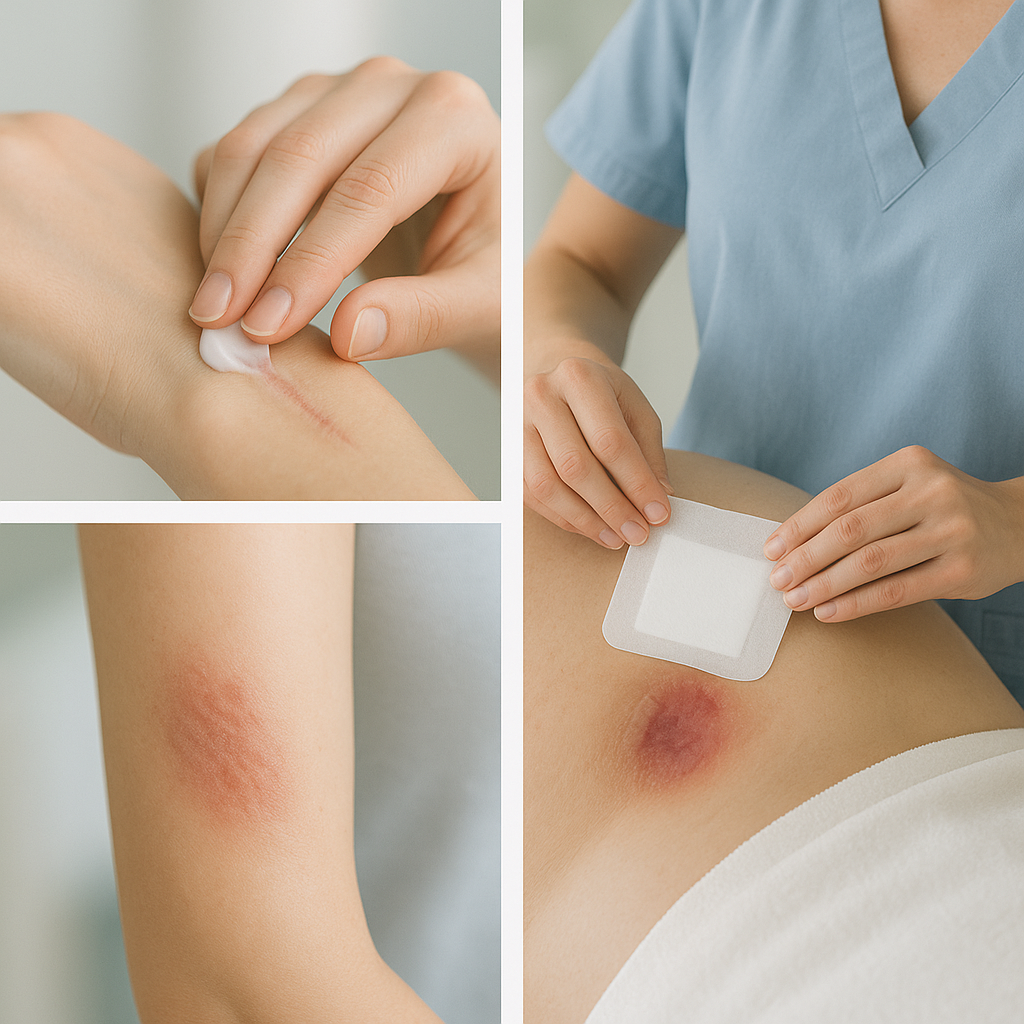
## Step 3: Apply a Protective Dressing
Covering the wound helps:
- Maintain moisture
- Protect against bacteria
- Reduce scab formation
- Improve healing speed
Modern wound dressings are more effective than leaving a wound “open to air.”
---
## Step 4: Keep It Moist (Not Dry)
Contrary to popular belief, wounds heal faster in a slightly moist environment. Use doctor-recommended ointments or medical-grade dressings to maintain optimal healing conditions.
---
## Step 5: Watch for Signs of Infection
Seek medical help if you notice:
- Increasing redness
- Swelling
- Pus
- Fever
- Persistent pain
Early intervention prevents complications.
---
## Conclusion
Minor wounds can heal quickly with proper care. Cleaning, protecting, and maintaining moisture are key factors in faster recovery and reduced scarring.
Always consult a healthcare professional if you're unsure about the severity of your injury.