

We’ve all wondered: do scars ever really go away? Whether it’s a teenage acne scar, a surgical mark, or an old injury—scars evoke questions, self‑doubt, and sometimes myths that mislead us. In this blog, I'll take you through the most common misconceptions and reveal what modern science says about scar healing, so you can take control and make informed decisions.
What Is a Scar—and Why Does It Form?
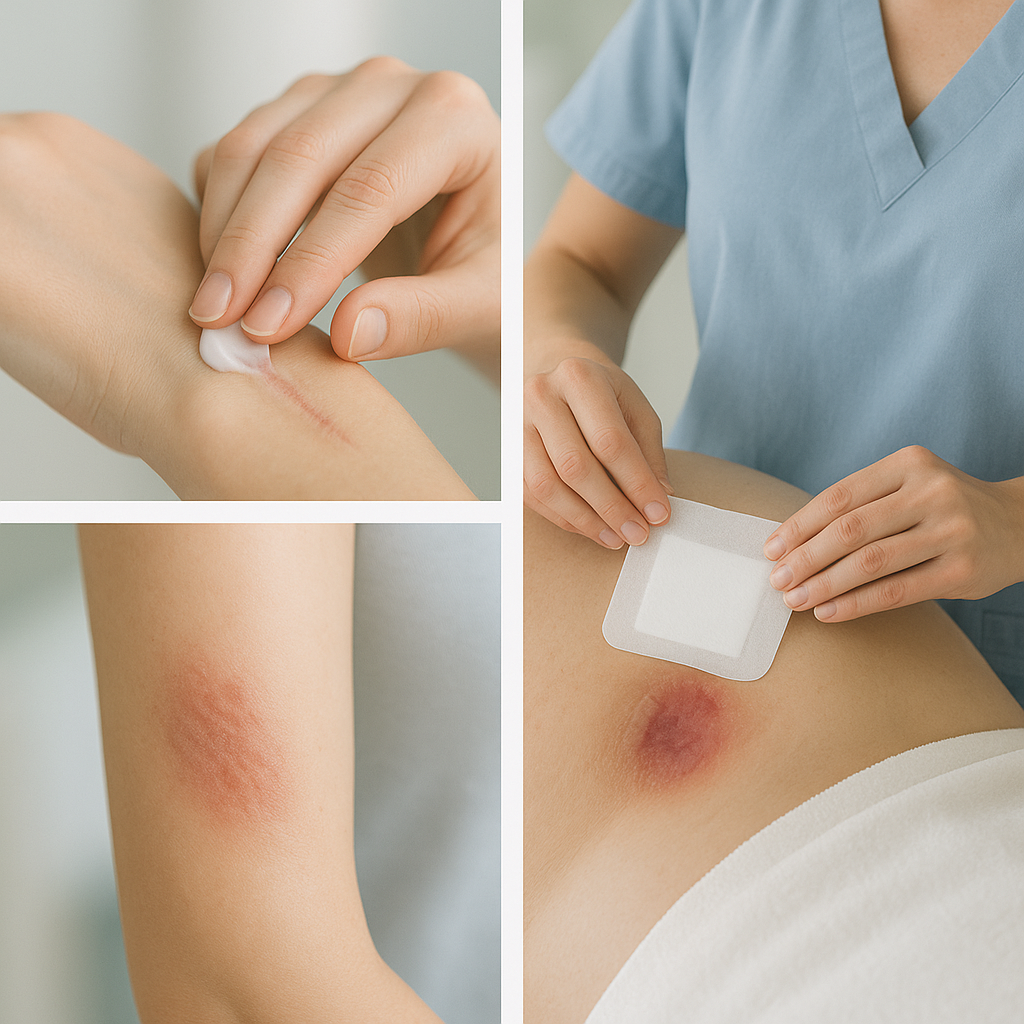
First, let’s understand scar healing on a biological level. A scar is the body’s natural repair response after skin damage. Instead of regenerating perfect skin, your body lays down collagen in a different pattern, forming a textured, fibrous patch. Small wounds (under ~2 mm) may heal almost scar‑free, but deeper or more stressed wounds create visible scars .
Some rare research in fetal wound healing shows scar‑free repair in early gestation—but after ~24 weeks, adult‑like scarring begins. So in adults, complete scar erasure isn’t realistic, but significant improvement is often possible.
Myth #1: “Scars Always Fade Away Naturally Over Time
Yes, some superficial scars lighten and flatten over months. But not all scars. Keloid scars can grow beyond the original wound; hypertrophic scars stay raised and red. Older scars like acne scars, contractures, or sun‑damaged marks may remain visible without professional intervention.
Fact: Many scars don’t fade on their own. Scar revision, laser therapy, or silicone gel treatment often provides far better results.
Myth #2: “Home Remedies (vitamin E, lemon juice, etc.) Work the Same as Professional Treatments”
It’s tempting to rub on vitamin E oil or try lemon juice to lighten a scar—but these are often ineffective or even harmful. Vitamin E can irritate or worsen some scars, causing dermatitis in up to a third of users. Evidence supports topical vitamin C derivatives instead, plus treatments like silicone gel sheets and sterile dressings .
Fact: Home remedies rarely match results of medical grade scar treatment like laser resurfacing, microneedling, or professional scar gels.
Myth #3: “Exposing Scars to Sun Helps Them Blend In”
No. Sun exposure can cause hyperpigmentation, making scars more visible, not less. A new scar that gets sunburned can stay darker for a long time. Dermatologists recommend daily SPF 30+ protection throughout healing and beyond .
Fact: Protect your scar from UV rays to prevent darkening; don’t rely on sun to blend it.
Myth‑Busted Facts: What Really Helps Scars
Moisture & Silicone Gel Sheets
Keeping healed skin moist—via occlusive dressings or silicone gel sheeting—promotes better collagen alignment, reducing thickness, redness, and roughness.Professional Treatments
Laser scar removal/resurfacing (like fractional CO₂ or Nd:YAG) improves texture and color.
Microneedling promotes new collagen formation, especially for acne scars.
Steroid injections or pressure therapy can flatten keloid/hypertrophic scars.Medical Interventions
Surgical scar revision plus post‑op treatments (e.g. silicone or pressure bandages) can significantly improve older, thick scars. Combined therapy often has higher success than surgery alone .
Fact #1: “You Can Treat Even Old Scars—It’s Never Too Late”
True—scar treatments aren’t only for fresh wounds. Laser therapy, microneedling, subcision (for deep rolling acne scars), and topical gels can reduce appearance even years later. While older scars can be tougher to treat, noticeable improvement is still possible
Fact #2: “Different Scars, Different Strategies”
Effective scar care depends on the type of scar:
Acne scars: usually atrophic (depressed). Treatments include microneedling, lasers, and fillers.
Hypertrophic scars: raised within the wound boundary—use silicone, steroids, pressure.
Keloids: extend beyond wound edge, can be painful/itchy, often need combination therapy (injections + silicone + repeat treatments).
Also scar maturity timeline matters: after ~1 year, collagen remodeling slows. But even mature scars respond to repeated treatments.
Natural Support Alongside Treatment
While topical home remedies aren’t magic cures, you can support your skin with balanced nutrition, hydration, and gentle skincare. A diet rich in vitamin C, zinc, and protein helps your body heal optimally.
Pro Tips: How to Manage Scars Smartly
Identify your scar type—atrophic (dented), hypertrophic (raised), keloid (excess growth), contracture (tightening).
Start early if possible—apply silicone gel after wound closure, protect from sun, keep moist.
Consult a dermatologist for professional options like laser or microneedling.
Be consistent—silicone treatment usually needs daily use for 8–12 weeks.
Set realistic expectations—scars rarely disappear completely, but can become far less noticeable.
Final Thoughts
So… do scars ever really go away? The honest answer: they rarely vanish entirely in adults—but with the right scar treatment strategies, they fade, flatten, and blend into your skin tone. Busting myths like “scars always fade naturally” or “vitamin E cures scars” is essential. Instead, arm yourself with science‑backed tools—UV protection, silicone gel, medical treatments, and professional dermatological care.
Every scar has a story—but it doesn’t have to define you. Learn your scar’s type, choose evidence‑based care, protect your skin, and you’ll get significantly smoother, lighter, and more confident results over time.