
Table of Contents
Introduction to Wounds: Acute and Chronic
Understanding Antibiotics and Antiseptics
○ Systemic Antibiotics
○ Topical AntisepticsCommon Systemic Antibiotics Used in Wound Healing
○ Cephalosporins
○ Penicillins
○ Aminoglycosides
○ Macrolides
○ QuinolonesTopical Antiseptics for Wound Care
○ Nanocrystalline Silver
○ Mupirocin and Metronidazole
○ Chlorhexidine
○ Triclosan
○ Cetrimide
○ Peroxide AgentsConclusion
1. Introduction to Wounds: Acute and Chronic
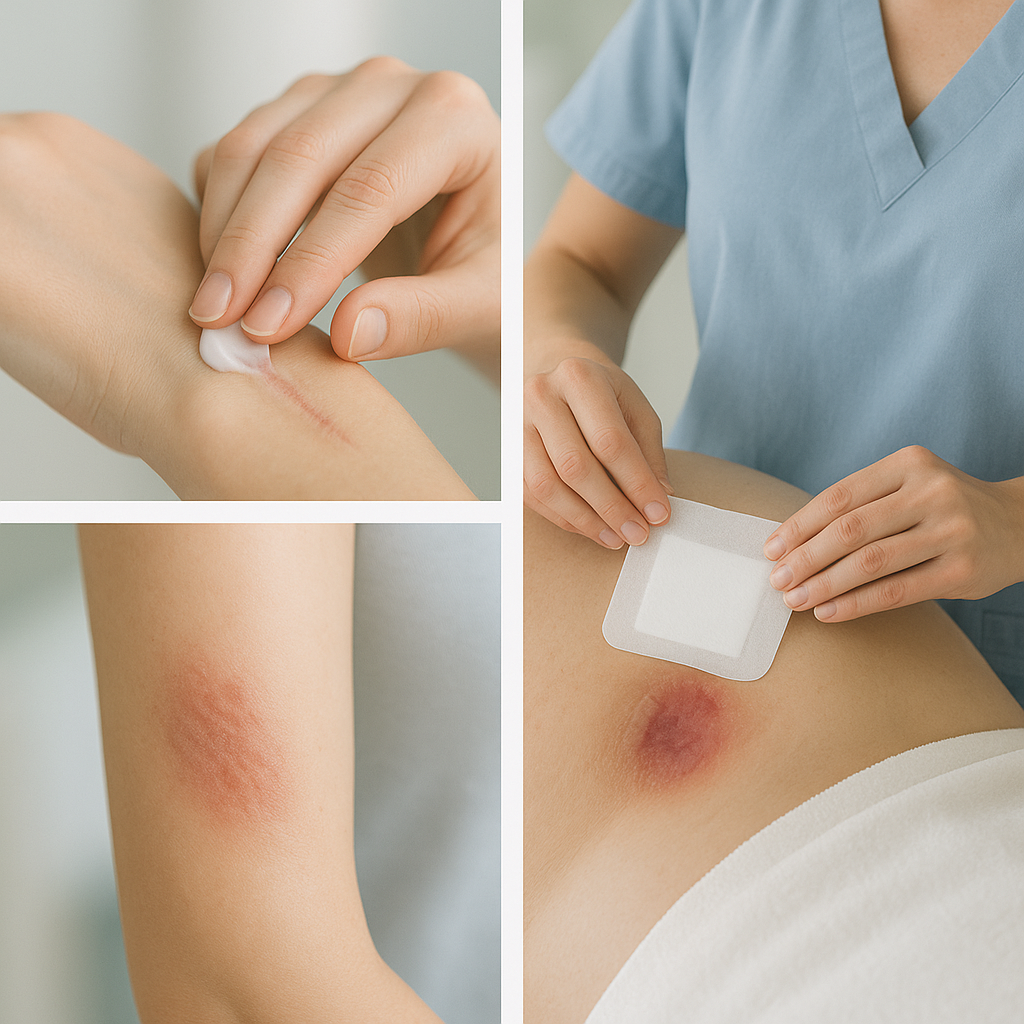
Wounds occur when the skin barrier is disrupted due to trauma, surgery, or an underlying medical condition. They are categorized into:
Acute Wounds: These include surgical incisions, cuts, burns, or abrasions that heal within a predictable timeframe.
Chronic Wounds: These persist for extended periods due to infection, poor circulation, or underlying conditions like diabetes or pressure ulcers.
Proper wound management involves controlling infection, promoting healing, and ensuring the wound environment remains optimal. This is where antibiotics and antiseptics play a crucial role.
2. Understanding Antibiotics and Antiseptics
Systemic Antibiotics vs. Topical Antiseptics
Antibiotics are drugs designed to fight bacterial infections by targeting bacterial cells. Systemic antibiotics work internally to eliminate infections that have spread beyond the wound site.
Antiseptics are topical agents applied directly to the wound to reduce bacterial load, prevent infection, and support healing.
3. Systemic Antibiotics Used in Wound Healing
Systemic antibiotic drugs are often prescribed for severe bacterial infections associated with wounds. The best antibiotics for bacterial infections include:
Cephalosporins
Broad-spectrum antibiotics effective against both Gram-positive and Gram-negative bacteria.
Used for wound infections, cellulitis, and post-surgical prophylaxis.
Penicillins
Effective against a variety of bacterial strains.
Often used for soft tissue infections and wound-related bacterial complications.
Aminoglycosides
Primarily used for Gram-negative bacterial infections.
Administered in severe wound infections, particularly in hospital settings.
Macrolides
Known for their effectiveness against Gram-positive bacteria.
Used for soft tissue infections and cellulitis.
Quinolones
Broad-spectrum antibiotics effective against resistant bacterial strains.
Often prescribed for diabetic foot ulcers and chronic wound infections.
4. Topical Antiseptics for Wound Care
Unlike systemic infection antibiotics, antiseptics work locally to reduce microbial growth and enhance healing. Some of the most effective topical antiseptics include:
Nanocrystalline Silver
A powerful antimicrobial agent that prevents bacterial colonization.
Used in burns, chronic wounds, and post-surgical dressings.
Mupirocin and Metronidazole
Mupirocin: Effective against Gram-positive bacteria like Staphylococcus aureus.
Metronidazole: Used for wounds infected with anaerobic bacteria, particularly in pressure ulcers.
Chlorhexidine
A broad-spectrum antiseptic with prolonged antimicrobial activity.
Commonly used in wound irrigation and dressings.
Triclosan
An antibacterial agent effective against both Gram-positive and Gram-negative bacteria.
Used in surgical dressings and antiseptic soaps.
Cetrimide
A quaternary ammonium compound with strong antimicrobial properties.
Often used in first-aid antiseptic solutions for minor wounds.
Peroxide Agents
Hydrogen peroxide and other peroxide-based solutions help in wound debridement.
Useful for reducing bacterial load in necrotic wounds and ulcers.
5. Conclusion
Antibiotics and antiseptics play a vital role in wound healing by controlling infections and preventing complications. Best antibiotics for bacterial infections ensure systemic infection control, while topical antiseptics provide direct wound care. The right combination of these agents ensures faster healing and minimizes the risk of wound-related infections.